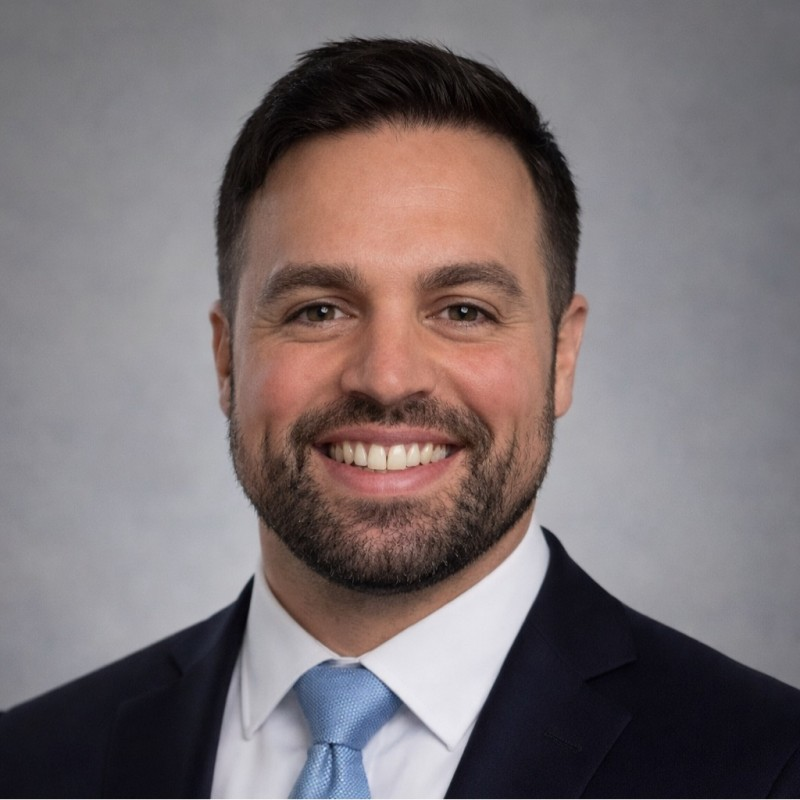
Brendan Sorsby and the NCAA Betting Scandal: What It Reveals About College Athletes and Gambling
When a college quarterback gets named in a sports betting investigation, the headlines focus on the punishment: suspensions, eligibility, the integrity of the game. The clinical layer underneath, the layer that almost no coverage touches, is whether anyone involved was experiencing gambling disorder, what NIL-era pressure does to an 18-year-old's relationship with money, and what every other athlete watching the story should know about their own risk.
This piece unpacks that layer. It assumes you've read enough of the news coverage to know the facts. The value here is what to do with them.
The ShiftWhat's actually new about NIL-era college sports betting
College athletes have always been a target for gamblers. What's different now:
NIL money. As of 2021, college athletes can earn through name, image, and likeness deals. For a small percentage of stars, this means meaningful money. For everyone else, it's an inconsistent trickle that arrives at a developmental age when impulse-control infrastructure is still being built. A 19-year-old with sudden access to $5,000 a month, no financial advisor, and no peer culture around money is structurally vulnerable.
Mobile sportsbooks in dorms. Before 2018, betting on college sports required a casino or a guy. Now it requires a phone the player already has. Most college athletes are in states where mobile sports betting is legal. Most are also old enough to have an account.
The peer environment. When everyone in your dorm has a sportsbook app and is talking parlays at lunch, betting becomes ambient. The athlete watching it doesn't have to seek it out; the social fabric is already saturated.
Information asymmetry. Athletes have proximity to information non-athletes don't (injury reports before they're public, locker-room dynamics, coach decisions). Even when they don't bet on their own team, that information becomes a gambling currency. People offer money for it. The line between "innocent gossip" and "providing information for a wager" is thin and often crossed before the athlete realizes which side they're on.
The Brendan Sorsby case, like the cases that came before it and the ones that will come after it, sits inside this new structure. It's not a single bad apple. It's an environmental change that none of the institutions involved have caught up with.
The Blind SpotWhat "compliance" misses
Most college athletic departments have anti-gambling compliance training. The training is mandated; the training also doesn't work for the cases it's most needed for.
The reasons:
It treats gambling as a rules problem, not a brain problem. Compliance training teaches "don't bet on your sport, don't share information, here's the NCAA penalty matrix." It doesn't teach: "here's what an early gambling problem looks like, here's what to do if you have one, here's a confidential way to ask for help that won't end your career." The compliance frame is "follow the rules"; the clinical frame is "you might have a disorder that's making this hard."
It assumes the athlete can self-identify the problem. People with developing gambling disorder are unusually bad at self-identifying it. The denial machinery is part of the disorder. Asking an athlete in the middle of a betting problem "are you gambling too much?" is like asking someone with depression "are you sad too much?" — the answer is filtered through the very condition you're trying to diagnose.
It punishes after the fact instead of intervening earlier. Suspension and ineligibility are downstream consequences. By the time they arrive, the athlete usually has financial damage, social damage, and clinical damage that the compliance system doesn't address. The penalty resolves the institution's exposure; it doesn't resolve the person.
The Sorsby-style cases are an indicator that the surrounding system is producing them, not just that one person made a bad choice.
The LessonWhat the rest of us learn
Even if you're not a college athlete, the pattern in the NCAA betting cases generalizes to several adjacent groups.
Sports-adjacent professionals. Sports media, equipment companies, agencies, journalism. Same proximity-to-information dynamics, same betting-saturated peer culture, smaller compliance net.
High-information enthusiasts. Anyone who follows a sport closely enough that they think they have an edge. The illusion of skill is the seam most sports betting addiction grows in. We covered the underlying psychology in Why Sports Betting Is More Addictive Than You Think.
Young men with sudden money. NIL athletes are a subset of a larger pattern: young men who acquire money before they've built money habits. Lottery winners, early-career tech employees, professional gamers, sudden-inheritance recipients. The risk profile rhymes.
College students generally. Even without NIL money, the campus sports-betting environment produces gambling problems at meaningful rates. We wrote about this in College Students and Gambling.
If you recognize yourself or someone close to you in any of those buckets, the actionable response is the same: take the screen seriously now, while the runway is still long.
Two PathsIntegrity-driven gambling vs desperation-driven gambling
A useful distinction the news coverage rarely makes: there are two different problems that look the same from the outside.
Integrity-driven gambling is when the bet is structurally tied to information or action the bettor can influence. Betting on your own team, sharing inside info for a cut, throwing a play. This is the integrity-of-sport problem the NCAA punishes hardest, and the punishment is appropriate because the action damages the institution and the public's trust in the game.
Desperation-driven gambling is when the bet is an attempt to escape, recoup, or self-soothe. Often starts as "fun money," escalates as losses accrue, ends with chasing losses on a Tuesday at 2am. This is gambling disorder. The NCAA's penalty system isn't designed to address it. Treatment is.
The Sorsby case (and most others like it) often blur the two. A young athlete starts with desperation-driven gambling, gets in over their head financially, then makes integrity-driven choices to recoup. The first part is a disorder. The second part is a violation. Both should be taken seriously, but they require different responses.
First StepsWhat to do if you recognize the pattern
If you're an athlete (college or otherwise) and the NCAA case made you reflect on your own gambling:
1. Take the self-assessment. Three minutes. The score will tell you whether what you have is at-risk gambling, gambling disorder, or somewhere in between.
2. If the score is 4 or higher, read the playbook. How to Quit Gambling covers the first hour through the first 90 days. The first hour is the most important; don't read the whole thing before acting on it.
3. Start with a plan that fits an athlete's schedule. Join Cope Compass and build a personalized plan around practice, games, and travel, then download the app so support rides along in the locker room and the dorm. And if you want to talk to someone right now, the National Problem Gambling Helpline is free, confidential, and available 24/7 at 1-800-GAMBLER. They don't share data with NCAA, with your school, or with anyone. The call commits you to nothing.
4. If you're in active crisis with thoughts of self-harm, call 988 immediately. Gambling-related self-harm thinking is more common than the public understands and is not a sign of weakness. It's a sign of the disorder.
If you're a coach, AD, compliance officer, or administrator: the most useful thing you can change about your athletic department's gambling exposure is to add a clinical layer to compliance, not just a rules layer. Have a relationship with a gambling-disorder specialist your athletes can use confidentially. Make the path to help shorter than the path to penalty.
If you're a parent of a college athlete: read Signs Your Loved One Has a Gambling Problem. The signs are quieter in athletes because the routine of practice + games hides the disordered hours. Mood changes after games, sudden requests for money, inconsistent stories about expenses, are all worth noticing.
The TakeawayThe frame to leave with
Brendan Sorsby's name is in the news because the NCAA punished it. That's the institution doing its job, and that job matters. But the people watching the story who are most exposed to it are the ones the news isn't going to name: the other athlete on a different team who's two parlays into a chase, the parent watching their kid's mood shift, the friend who knows their roommate is hiding a problem.
The story is a flag. The flag should be read by everyone in the surrounding ecosystem, not just the people in the photo.
If you're going to take one action after closing this tab, take the self-assessment. Most of the people who needed it didn't take it. That's how the disorder grows. The smallest possible action breaks the smallest possible link in that chain. Three minutes.
Written by the Cope Compass Editorial Team. Last reviewed: April 30, 2026. This article is editorial and educational. It is not a clinical evaluation of any individual and references only publicly reported information. If gambling is causing harm in your life or someone else's, you can join Cope Compass to build a personalized recovery plan and download the app to keep support with you. And if you want to talk to someone right now, the National Council on Problem Gambling helpline (1-800-GAMBLER) is free, confidential, and available 24/7.Related articles
Find help near you
Cope Compass is free.
Real-time support that learns your patterns and adapts to your recovery over time. The more you use it, the better it understands your triggers.
Try it now