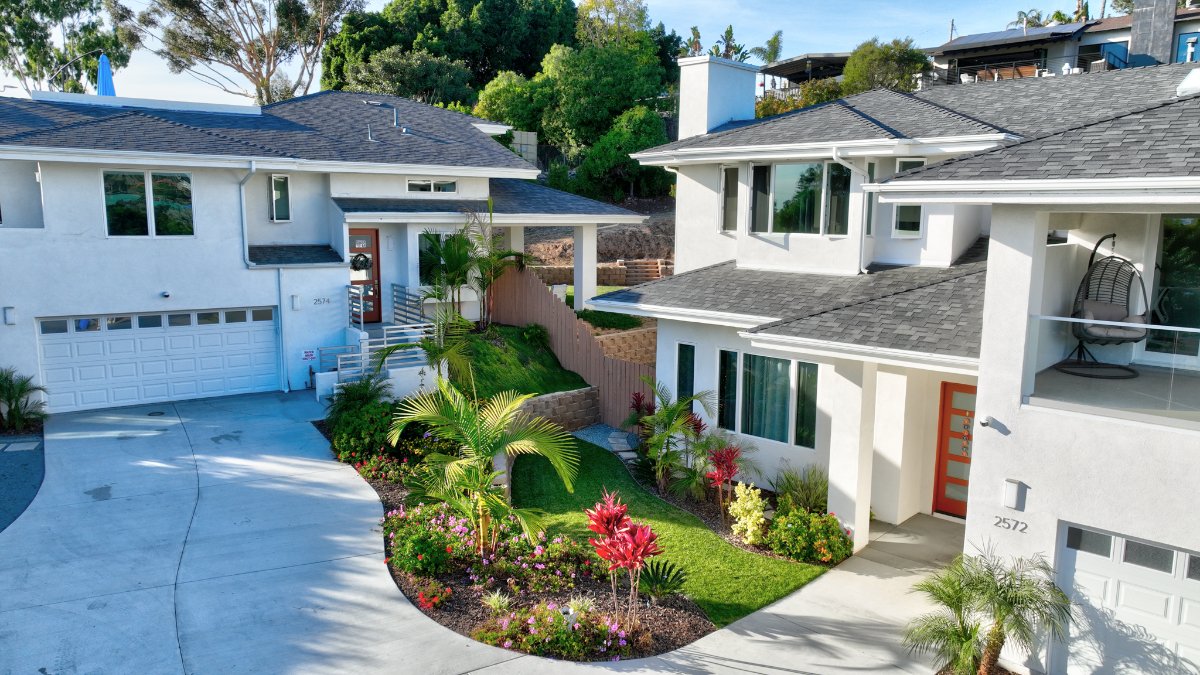
Coastal Detox of Southern CaliforniaResidential Treatment in San Diego, CA
Great to meet you
Coastal Detox of Southern California is the premier medical detox and residential inpatient facility in San Diego. Our mission is to empower people to overcome addiction, heal co-occurring disorders, and achieve sustained, thriving recovery.
Role
Residential Treatment
What a first session looks like
In-PersonOn the day of admission, patients are greeted by our behavioral health technicians and welcomed to the facility. First stop is the medical office for an assessment with our nursing team, who take the patient's vitals, conduct a breathalyzer test and urine sample, ask about medical history and substance use history, and establish a care plan. Patients are given medications and then shown to their room so they can rest and get settled.
Best fit if
People in active addiction who are ready to voluntarily commit to a detox and/or inpatient rehab program. People who have experienced a relapse and want the support of a structured environment to resume their recovery. We are not a court-ordered facility, and we do not accept medicaid or medicare insurance.
Specialties & focus areas
Recovery focus
Co-occurring
Life events & relationships
Other focus areas
Evidence-based approaches
CBT
Cognitive Behavioral Therapy. Spots the thought-feeling-action loops that fuel urges, then rewires them with practical skills you take into the moment.
DBT
Dialectical Behavior Therapy. Pairs acceptance with change. Especially useful when emotions feel too big to ride out without acting on them.
Motivational Interviewing
Motivational Interviewing. A collaborative conversation that strengthens your own reasons for change rather than arguing you into it.
EMDR
Eye Movement Desensitization and Reprocessing. A structured trauma therapy that helps the brain re-file painful memories so they stop hijacking the present.
12-step facilitation
Twelve-Step Facilitation. Helps you engage with mutual-aid fellowships (GA, AA, SMART) as a recovery community rather than a solo grind.
SMART Recovery
SMART Recovery. Self-management and recovery training built on cognitive science. A secular alternative or complement to twelve-step work.
Trauma-focused CBT
Trauma-Focused Cognitive Behavioral Therapy (TF-CBT). Combines CBT with trauma-specific protocols. Most evidence-validated for adolescent trauma; also used with adults.
Psychodynamic
Psychodynamic Therapy. Explores the older patterns and unconscious dynamics underneath the surface behavior. Slower than skills-based work, deeper on the questions of why you reach for the thing you reach for.
Internal Family Systems
Internal Family Systems (IFS). Works with the different "parts" of you (the part that wants to use, the part that wants to stop, the part that feels shame) instead of treating any one as the enemy. Useful with trauma + addiction.
Contingency Management
Contingency Management. Evidence-based reinforcement approach: small, immediate, tangible rewards for verified abstinence and engagement. Strongest evidence base of any non-medication intervention for stimulant + gambling disorder.
Family Systems
Family Systems work. Brings the people closest to you into the recovery picture, since urges and relationships rarely live in separate boxes.
Group Therapy
Group Therapy. A small facilitated circle where people working on similar struggles practice naming what is hard, hearing themselves in others, and learning skills together. The room is the medicine.
Narrative Therapy
Narrative Therapy. Treats the problem as separate from the person. Helps you re-author the story you tell about your life so you stop being defined by the addiction chapter alone.
ACT
Acceptance and Commitment Therapy. Stops fighting hard feelings and instead points your action toward what you actually value.
MBRP
Mindfulness-Based Relapse Prevention. Practices noticing urges without acting on them, building the gap between trigger and choice.
Brief intervention
A therapeutic approach included in this provider’s plan of care. Contact for specifics on how it shows up in their work.
Cognitive behavioral therapy
Cognitive Behavioral Therapy. Spots the thought-feeling-action loops that fuel urges, then rewires them with practical skills you take into the moment.
Contingency management/motivational incentives
Contingency Management. Evidence-based reinforcement approach: small, immediate, tangible rewards for verified abstinence and engagement. Strongest evidence base of any non-medication intervention for stimulant + gambling disorder.
Relapse prevention
Relapse Prevention. Identifies your specific high-risk situations, warning signs, and choice points. Then builds a written, rehearsed plan for each so the moment is not the first time you decide.
Substance use disorder counseling
A therapeutic approach included in this provider’s plan of care. Contact for specifics on how it shows up in their work.
Trauma-related counseling
A therapeutic approach included in this provider’s plan of care. Contact for specifics on how it shows up in their work.
What this facility offers
Care offered
Treatment type
- Substance use treatment
- Mental health treatment
- Treatment for co-occurring substance use plus either serious mental illness (SMI) in adults and/or serious emotional disturbance (SED) in children
Setting
- Residential/24-hour residential
Facility
- Other residential treatment facility
How care is delivered
Ancillary services
- Court-ordered outpatient treatment
- Family psychoeducation
- Case management service
Education & counseling
- Smoking/vaping/tobacco cessation counseling
Who this is for
Age groups served
- Young Adults
- Seniors
Not the right fit?
Browse the rest of the Cope Compass directory.